


Updated: Mar 13

For over two decades, the Maryland Film Festival (MdFF) has shone as Baltimore’s beacon of independent cinema. Founded in 1999 with the vision that Baltimore could be a national center for film appreciation, this annual event has grown into one of the most respected and beloved small festivals in the country. Every spring, thousands of filmmakers and film lovers converge in Charm City to celebrate diverse stories on screen – from local Baltimore tales to cutting-edge international indies. In the process, MdFF has put Baltimore “on the independent cinema map,” as archivist Siobhan Hagan observed. The festival’s journey from a modest upstart to an institution with its own historic theater mirrors the renaissance of Baltimore’s film scene itself. But this success story has not come without challenges. Funding hurdles, leadership transitions, and shifting venues have tested MdFF’s resilience, even as its cultural impact continues to deepen. What follows is an insight-driven look at how the Maryland Film Festival became a pillar of Baltimore’s creative ecosystem – celebrating its achievements, examining its growing pains, and exploring its enduring role in the city’s arts community.
The Origins of the Maryland Film Festival in Baltimore
Baltimore’s flirtation with film festivals dates back to the 1960s, but it wasn’t until the late 1990s that a sustainable event emerged. In 1999, film advocate Jed Dietz launched the Maryland Film Festival, determined to give Baltimore a festival worthy of its cinephile spirit. Dietz believed that Baltimore “could and should be another national center for the production and appreciation of film,” and MdFF was his vehicle to prove it. The inaugural edition kicked off in April 1999 with a hometown flourish: an opening-night screening of Barry Levinson’s documentary Diner Guys at Baltimore’s historic Senator Theatre. From the start, the new festival set itself apart with an egalitarian, filmmaker-focused approach. All five screens of the Charles Theater (newly renovated that year) were devoted to festival programming, signaling an ambitious scope. Early lineups mixed feature films, documentaries, and shorts of all genres, showcasing the “breadth of the movie art form” and attracting “movies of all types, and the people who make them” from around the world. This inclusive ethos – treating scrappy micro-budget indies and international art-house titles with equal enthusiasm – would define MdFF’s identity.
The Maryland Film Festival quickly gained a reputation on the circuit. Local champion (and The Wire creator) David Simon lauded it as “an essential stop in the festival circuit,” reflecting the quality of its programming. Filmmakers and audiences alike were drawn to the festival’s unpretentious, community vibe. Unlike glitzier industry expos, Baltimore’s fest prioritized intimacy and authenticity: visiting directors mingled with local filmgoers, and nearly every screening featured personal introductions or Q&As. By its 5th anniversary, MdFF was being credited with firmly establishing Baltimore on the indie film map, a feat considering that previous Baltimore film fests had fizzled out by the 1990s.
Through the 2000s, the festival steadily expanded. In 2002, MdFF tried something bold by making an opening-night shorts program the festival curtain-raiser – a tradition it has maintained since 2004. By curating eclectic short film compilations as a kick-off, the festival signaled its commitment to emerging filmmakers and experimental work. International offerings also grew: by 2009, MdFF set a goal to bring more global cinema to Baltimore and often hosted U.S. premieres of acclaimed foreign films. In 2013, the event officially stretched from four days to five, underscoring its growth. Attendance climbed as well, hitting a record of more than 12,000 attendees in 2018 – a sizable feat for a regional festival. Baltimore Magazine hailed MdFF’s evolution, noting that Dietz had overseen its rise into “one of the most respected and beloved small festivals in the country”. As the festival’s profile rose, so did its roster of notable guests. Oscar-winning directors and indie luminaries began showing up to present their work – from hometown hero Barry Levinson to Kathryn Bigelow, Jonathan Demme, Greta Gerwig, Barry Jenkins and more. Year after year, attendees marveled at the ease with which they could bump into famous filmmakers at Baltimore after-parties or catch an impromptu chat in theater lobbies. MdFF had succeeded in creating what one board member called “an annual five-day celebration of cinema” that attracts a vibrant mix of artists and audiences.

A Home in Station North: From Wanderer to Anchor
In its early years, the Maryland Film Festival was a nomad of necessity – using an assortment of Baltimore venues and art spaces to screen films. The beloved Charles Theater in Station North served as a primary venue (its expansion to five screens in 1999 was practically inaugurated by the festival), but MdFF events also popped up at locales like the Walters Art Museum and the Baltimore Museum of Art in subsequent years. This citywide footprint gave the festival a broad presence but also posed logistical challenges: attendees often had to shuttle between neighborhoods. By the mid-2010s, festival organizers dreamed of a more centralized, year-round hub. That dream materialized spectacularly in 2017, when MdFF opened the doors of the Stavros Niarchos Foundation Parkway Theatre – a historic 1915 movie palace reborn as the festival’s permanent home.
The Parkway Theatre, located on North Avenue in the Station North Arts District, had sat derelict since the 1970s. The Maryland Film Festival spearheaded an $18 million restoration campaign to rescue this architectural gem. In April 2017, Jed Dietz proudly presided over the dedication of the fully renovated Parkway, now a state-of-the-art three-screen film center and official MdFF headquarters. The main auditorium’s original 1915 decor was preserved, complemented by two modern smaller theaters tucked into an adjacent building. This was more than a new venue – it was a milestone in Baltimore’s cultural infrastructure. “Baltimore’s newly rescued historic 1915 Parkway Theatre” instantly became the beating heart of the festival. At the Parkway’s grand opening, Baltimore icons like filmmaker John Waters and producer David Simon gathered with Dietz to celebrate what Waters called “our artiest theater” finally brought back to life.
Having a home base revolutionized the festival experience. “It makes a huge difference for us to have a home venue that’s already equipped with first-rate presentation equipment,” explained longtime programming director Eric Hatch in 2017. No longer would MdFF have to scramble to install projectors in makeshift spaces each spring. Beyond logistics, the Parkway created a sense of place and community. During the 2017 festival – the first based at the Parkway – all screening venues were within a few blocks, allowing cinephiles to hop between films and then congregate for food and conversation in Station North’s cafes and bars. “It creates a real feeling of community to have everyone within a few blocks… and makes it easy for the hardcore cinephiles out there who want to catch 4 or 5 movies in a day,” Hatch noted, describing the buzzy street life that a concentrated festival footprint enables. Indeed, that year organizers touted that, unlike prior editions, the entire event was “walkable” for most attendees. The festival had finally planted firm roots in a neighborhood, just as Station North itself was establishing its identity as an arts and entertainment district.
Crucially, the Parkway wasn’t just a once-a-year venue for the festival – it became a year-round cinema center. Branded the SNF Parkway Theatre, the complex began daily screenings of independent and classic films, as well as special film events and series, managed by the Maryland Film Festival organization. In its first year alone, the revived Parkway brought “hundreds of new films to Baltimore, hosted filmmakers from around the world,” and even opened its doors to local film students from Johns Hopkins University and the Maryland Institute College of Art (MICA) every weekday for classes and screenings. The Parkway quickly became an anchor institution in Station North, a hub where the city’s film community could gather well beyond the festival’s dates. The theater’s presence also synergized with other nearby art spaces – from the Ynot Lot outdoor screening space to galleries and music venues – further energizing the local cultural scene.
Baltimore’s mayor and arts supporters recognized that the Parkway, as home to MdFF, was more than just a movie house; as JHU’s president Ron Daniels put it, the year-round theater “enhances cultural and economic opportunity for our artists and our entire community”. In sum, the shift from being an itinerant festival to operating a bricks-and-mortar film center marked a coming-of-age for MdFF, solidifying its institutional role in Baltimore’s arts ecosystem.

Curating a Cinematic Feast: Programming and Traditions
If the Parkway gave MdFF a physical home, the festival’s programming is what gives it soul. The Maryland Film Festival has distinguished itself with bold, eclectic curation that reflects both Baltimore’s personality and the wider world of independent film. Each edition presents around 40+ feature films and dozens of short films, embracing “movies of all types” – fiction, documentary, experimental, micro-budget, international, animation, and beyond. What ties the selections together is a commitment to the filmmaker’s voice. In fact, one hallmark of MdFF is that every American feature screened is hosted in person by its director or creative team. That emphasis on filmmaker attendance creates an unusually interactive atmosphere. Audiences don’t just watch films – they engage in post-screening Q&As, hear behind-the-scenes stories, and often end up chatting with filmmakers casually in the lobby or at festival hangouts. This dynamic has earned MdFF a reputation as a “filmmakers’ festival,” beloved by up-and-coming directors for its collegial, non-competitive vibe (notably, MdFF gives no awards, focusing instead on dialogue).
The festival’s programming team (led for many years by Eric Allen Hatch, and now by new director KJ Mohr) has balanced local fare with global discoveries. On the international front, MdFF has landed notable premieres – for example, hosting the U.S. premieres of acclaimed films like Hugh Gibson’s The Stairs and Ashley McKenzie’s Werewolf in 2017. It’s also showcased future indie hits early: audience members recall seeing Barry Jenkins’s Medicine for Melancholy or the Safdie brothers’ gritty dramas at MdFF before those filmmakers became household names. “The fest has become known for recognizing talent early in their careers,” Filmmaker Magazine noted, citing how directors like Greta Gerwig, the Safdie Brothers, and Anna Biller had their early work screened in Baltimore before skyrocketing to wider success. In many cases, MdFF guests return over the years – actors who debut short films one year might come back to premiere a feature later, building a familial sense of continuity. Grace Glowicki, for instance, attended with a short film and returned to MdFF in 2019 with her directorial debut Tito, endearing herself to Baltimore audiences.
What truly gives MdFF its local flavor, however, are its unique Baltimore-centric traditions. Foremost among these is the annual John Waters pick. Famed cult filmmaker and proud Baltimorean John Waters has been on the festival’s board since the beginning and each year personally selects one of his favorite oddball movies to screen and host. This tradition has brought some gloriously eccentric cinema to town – from Joseph Losey’s campy Boom! to Gaspar Noé’s provocative I Stand Alone, and in 2017, the infamous big-cats-run-amok thriller Roar (Waters gleefully presented Roar as “an act of cinematic insanity,” complete with anecdotes of actors nearly being mauled by lions). Seeing a John Waters-selected film with John Waters himself riffing on it is a highlight of every festival, encapsulating MdFF’s mix of reverence and irreverence for cinema. Alongside Waters, each year another Baltimore-connected artist is invited to host a favorite film. These have included musicians and cultural figures like the indie band Beach House (who picked Agnès Varda’s Vagabond), musician Dan Deacon, punk icon Ian MacKaye, even Baltimore Symphony Maestra Marin Alsop. Such events blur the line between filmmaker and fan, as local artists step into a curatorial role, sharing personal cinematic inspirations with their community.
MdFF also maintains a beloved custom of programming a silent film with live accompaniment each year. Frequently, the renowned Alloy Orchestra is brought in to perform an original score to a classic silent-era film, transforming the screening into a multisensory event. For instance, one year audiences were treated to a 1920s German silent thriller Variety with Alloy’s trio playing furiously beneath the screen. Moments like these add a vintage grandeur to the festival and celebrate film history alongside the new.
Beyond the big screen, the Maryland Film Festival rounds out its schedule with panels, workshops, and community events that deepen its impact. Many of these take place in partnership with local organizations. During the festival weekend, one can attend free panel discussions on topics ranging from documentary ethics to Baltimore’s film history, often hosted at venues like Red Emma’s Bookstore or nearby galleries. In 2017, a panel featuring filmmakers Stanley Nelson and Malaika Clements delved into the legacy of HBCUs (mirroring Nelson’s film Tell Them We Are Rising which was screening). Another panel that year explored “the moving image beyond the cinema” with local video artists. The festival also organizes a unique Filmmakers Taking Charge Conference exclusively for visiting filmmakers and industry guests. Co-hosted by notable indie directors, this closed-door gathering allows filmmakers to candidly discuss challenges in financing, distribution, and creativity. “It is an informal gathering that allows attendees to share their personal experiences and thoughts,” programming consultant Margaret Rorison explained, highlighting MdFF’s intent to foster a sense of solidarity and resource-sharing among creators. And of course, there are the nightly parties: true to Baltimore’s DIY arts scene, MdFF’s after-hours events have ranged from loungey get-togethers at the Windup Space to outdoor DJ nights, free for anyone with a festival pass. All these elements – maverick film picks, guest-curated screenings, educational panels, and social mixers – come together to make the Maryland Film Festival an immersive “cinephile’s block party” with a distinctly Baltimore flair.

Filmmakers and Community: Fostering Talent and Connections
A key ingredient in the Maryland Film Festival’s formula is its deep commitment to filmmakers – not just as auteurs on pedestals, but as members of a creative community. MdFF has often been described as “a filmmakers’ festival” in the sense that those behind the camera feel as welcome and celebrated as the films themselves. “Creating opportunities for talented, energetic, and cutting-edge filmmakers and bringing them together with the great audiences here has been one of the most fulfilling achievements of my life,” Jed Dietz reflected on his two decades running the festival. From the outset, Dietz and his team cultivated an atmosphere where emerging directors could network, learn, and find encouragement. Many indie filmmakers who passed through Baltimore as unknowns credit MdFF with giving them a crucial early platform. For instance, the festival helped launch the careers of then-upstarts like Greta Gerwig, Barry Jenkins, Joe Swanberg, and David Lowery by showcasing their work long before they became Hollywood names. In some cases, MdFF hosted world premieres of small American indie films (such as Josephine Decker’s Butter on the Latch in 2013 or Stephen Cone’s Princess Cyd in 2017), demonstrating trust in new voices. The loyalty this builds is evident – filmmakers often return to Baltimore with future projects, bringing friends and collaborators along. As one observer noted, “up-and-comers… were in good company with MdFF” where rising talent is recognized early and supported through their trajectory.
One formal way MdFF has nurtured filmmakers is through the Maryland Filmmakers Fellowship program. In fact, Dietz founded this fellowship in 1997, even before the festival itself began. Funded by MdFF, the fellowship has provided grants and mentorship to screenwriters and directors developing new projects – often linking them with the prestigious Sundance Labs for further development. Over the years, this behind-the-scenes support resulted in at least 18 independent films getting made by first-time directors. Notable beneficiaries include Rodrigo García and Marielle Heller, who each went on to significant filmmaking careers. It’s a less publicized side of the festival’s mission, but crucial: MdFF isn’t only exhibiting films, it’s seeding them. By investing in talent at the development stage, the festival directly contributes to the pipeline of independent cinema – some of those films later screen at MdFF or other festivals, creating a virtuous cycle.
During the festival proper, the hospitality extended to filmmakers helps set MdFF apart. Guests are given the “red carpet” Baltimore-style – which might mean a casual crab feast or an invite to a locals’ karaoke night rather than a stuffy VIP lounge. The emphasis is on making filmmakers feel at home. There’s even a Friends of the Festival program that connects members (local film enthusiasts who donate to MdFF) with visiting filmmakers for more personalized interactions. These friendships can have lasting impact. Baltimore-based documentarian Ramona S. Diaz recounts how when she moved to Baltimore in 2003, Dietz immediately welcomed her and “opened up the world of the Baltimore film scene” at a time she wasn’t sure such a community existed. Diaz has since had multiple films in the festival (including Motherland in 2017) and is one of many local creators who call MdFF their artistic home. The sense of family is reinforced each year as alumni return. It’s not unusual for a director who screened a short years ago to be back with a feature, or for actors and crew who met at MdFF to collaborate on future projects.
Crucially, the festival’s filmmaker-centric ethos benefits audiences too. Regular attendees have learned to expect that after almost any film they watch at MdFF, someone involved will take the stage for a candid discussion. Whether it’s a high-profile director or a first-time short filmmaker, they field questions from Baltimore viewers, creating a two-way exchange. These interactions demystify the art of filmmaking and often spark deeper engagement with the film’s themes. For instance, at the 2024 festival, director Dawn Porter turned an opening night screening of her documentary on musician Luther Vandross into a joyous sing-along with the audience, blurring the line between performance and Q&A. On a smaller scale, local filmmakers premiering in the BaltiShorts program find an enthusiastic hometown crowd ready to discuss even “hot-button” issues like Baltimore’s squeegee kids – a 2024 documentary on that topic provoked a lively dialogue about youth and media portrayals. In these moments, the festival becomes a forum where Baltimore’s own stories and concerns are aired and examined through film.
Students and young creators are another important part of the MdFF community. The festival has actively reached out to area film programs – particularly those at Johns Hopkins and MICA. With the Parkway serving as a learning space for those schools’ film classes, there’s a pipeline of student volunteers and interns who get involved in festival operations. MdFF often spotlights student work: for example, programming showcases for local student shorts or partnering with Baltimore School for the Arts for youth filmmakers’ events. This mentorship aspect ensures the next generation of Baltimore filmmakers find a place to grow. As current MdFF leadership has emphasized, Baltimore’s filmmakers “need and want more support, a place to gather – both during the Maryland Film Festival and throughout the year”. The festival’s renewed vision explicitly “doubles down on the Parkway as a partner and a resource to this community, its artists, students, and those who call Baltimore home”. In short, MdFF’s mission has evolved to not only showcase indie film but to actively cultivate a filmmaking community in Baltimore. Through fellowships, conferences, education programs, and plain old hospitality, the festival knits together creators and audiences in a way that feels organic to the city’s collaborative, quirky spirit.
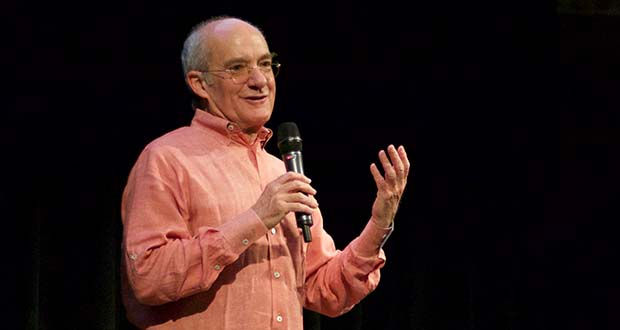
[VISUAL: A group of independent filmmakers engage with the audience in a post-screening Q&A at MdFF. Nearly every film at the festival is “hosted” by its creators, sparking direct conversations between filmmakers and Baltimore filmgoers.]

The Beacon’s Glow: Cultural Impact on Baltimore
The Maryland Film Festival’s influence radiates far beyond a few days of screenings – it has become a cultural beacon in Baltimore, with ripple effects on the city’s arts scene and national profile. Each spring, the festival generates a palpable energy in Station North and downtown Baltimore. Restaurants fill up with festival-goers, local theaters see new faces, and the city enjoys a modest economic boost thanks to the influx of visitors. City leaders recognize the festival’s significance: Baltimore’s Mayor Brandon Scott even allocated $250,000 of federal pandemic relief funds to support MdFF’s comeback in 2024, underscoring the festival’s perceived value to the community. In many ways, MdFF serves as cultural infrastructure – a recurring event that brings together disparate parts of the Baltimore population (students, artists, professionals, longtime residents and new transplants alike) around a shared love of film. As one writer put it, MdFF is “an anchoring point for the burgeoning film community in the city and a draw to those outside”. The “draw to those outside” should not be underestimated; over 25 years, Baltimore’s indie film fest has attracted international filmmakers, press, and cineastes who might otherwise never have thought to visit. They leave with impressions of Charm City that often defy the negative national stereotypes. The festival thus operates as a soft ambassador for Baltimore, showcasing its creative, open-minded side.
Locally, the festival has catalyzed growth in the film scene. One could argue, as Filmmaker Magazine did, that MdFF has been so successful in fostering Baltimore’s film culture that “the independent world has grown bigger than just what MdFF can contain within the Parkway’s walls”. Indeed, in the wake of MdFF’s rise, Baltimore has seen an blossoming of related film events. There’s now the Baltimore International Black Film Festival, the Black Femme Supremacy Film Fest, the annual 29 Days Later Film Project, and others – all evidence of a “hunger” for cinema that extends year-round. MdFF helped prove that Baltimore audiences will turn out for independent films, encouraging other organizations to launch their own niche festivals and screening series. Even the venerable Artscape summer festival began including a film component programmed by MdFF’s team, bringing indie movies to crowds of art festival attendees. Baltimore’s network of arthouses and micro-cinemas, from the Charles Theater to Creative Alliance to smaller pop-up screening collectives, likewise benefits from the film literacy and enthusiasm that MdFF cultivates. In short, the festival seeded an ecosystem where filmmakers and film lovers can connect not just annually in May, but throughout the year at various cinematic gatherings.
The festival also engages with Baltimore’s unique cultural identity. This is a city famous for outsider artists and offbeat storytellers – after all, it’s John Waters’ hometown and the site of The Wire. MdFF honors that legacy by programming plenty of local content and spotlighting Baltimore narratives. Year after year, films made by Baltimoreans or set in the city find a place in the lineup. From gritty documentaries about Baltimore’s social issues to experimental art films by local visionaries, MdFF gives them a prestigious platform. For example, in 2017 the festival featured Theo Anthony’s Rat Film (a documentary exploring Baltimore’s rat infestations and racial history) and the whimsical locally-shot comedy Sylvio – both “entirely made-in-Baltimore features” that went on to earn international acclaim. That same year, the festival screened Baltimore Rising, a documentary about the city’s response to the 2015 protests, and hosted works by Baltimore-connected directors like Matt Porterfield and Lauren Wolkstein. This pattern repeats: the 2024 festival notably premiered Squeegee, a documentary created with four Baltimore “squeegee kids,” tackling one of the city’s most hotly debated youth issues on-screen. By elevating homegrown content to festival status, MdFF validates Baltimore stories as worthy of artistic attention. It also facilitates community conversations around those stories – as seen when Squeegee’s young subjects and directors took the stage to “speak their own truths” in a dialogue with residents.
Another cultural role MdFF plays is bridging Baltimore’s arts community with national networks. Because the festival draws industry figures from New York, L.A., and beyond, it creates opportunities for local artists to interface with a broader indie film circuit. A Baltimore filmmaker might meet a distributor or a critic at MdFF who can help their career. Likewise, outsiders get exposure to Baltimore’s creative talent. Festival director KJ Mohr emphasized that the vision for MdFF’s future is explicitly as a “community festival, with an emphasis on locality,” while also expanding the festival’s original “filmmaker festival” ethos to be even more inclusive. This means doubling down on Baltimore’s strengths – diversity, community engagement, originality – and sharing those with the wider film world. In practice, that might include more partnerships with Baltimore’s grassroots arts organizations, or initiatives to involve neighborhoods that haven’t historically been part of the indie film scene. It’s telling that when MdFF had to pause in 2023, a group of Baltimore film veterans (including former MdFF programmer Eric Hatch and local public radio WYPR) quickly organized the New/Next Film Festival as a kind of stopgap celebration of indie film. Rather than a competition, this was seen as a complement – a testament to how central the idea of a film festival has become to Baltimore’s cultural calendar. The existence of New/Next, which took place at the Charles Theater in summer 2023, underscored the community’s desire to keep Baltimore on the festival circuit even during MdFF’s absence.
Ultimately, the Maryland Film Festival’s value to Baltimore can be measured not just in economic impact or attendance numbers, but in the less tangible realm of civic pride and identity. For one long weekend each year, Charm City is cinema city – a place where the art of film, in all its diversity, is celebrated as part of Baltimore’s fabric. In a town often overshadowed by larger markets, MdFF gives Baltimore a distinct voice in the cultural conversation. “Jed transformed the MdFF into the important and distinctive festival it is today,” noted Johns Hopkins’ president Ron Daniels, adding that Dietz “saw the impact it could have on Baltimore and inspired others to share his remarkable vision”. That impact is evident not only in the thriving film scene but in the way Baltimore audiences have become some of the most adventurous and loyal filmgoers around. As MICA president Sammy Hoi put it, the festival “serves and builds a film-loving community in our city and the region,” lifting up local storytellers in the process. The Maryland Film Festival has woven itself into Baltimore’s cultural DNA – and its beacon continues to guide and inspire the city’s cinephiles.

Challenges and Transitions: Keeping the Projector Rolling
Behind the scenes of its success, the Maryland Film Festival has weathered its share of storms. Running an independent film festival – especially one with year-round operations – is a constant balancing act, and MdFF has faced financial strains, leadership changes, and an evolving film industry that forced it to adapt. One major challenge has been funding. Unlike big commercial festivals, MdFF relies on a patchwork of grants, donations, sponsorships and ticket revenue to stay afloat. The ambitious Parkway Theatre project, while culturally invaluable, came with high costs: $18 million in capital investment to restore the venue, followed by the ongoing expenses of operating a three-screen art cinema. In its first years, the Parkway’s revenues didn’t fully meet projections – a situation exacerbated by the COVID-19 pandemic that began in 2020. As a young non-profit cinema, the SNF Parkway was hit hard by pandemic closures and the slow return of moviegoers nationwide. MdFF fought to survive through that period by securing emergency grants like the federal Shuttered Venue Operators Grant (SVOG) and other relief funds. Still, by late 2022 the organization faced a “long haul back to health” and made the difficult decision to put its year-round operations on a temporary hiatus. In November 2022, the MdFF board announced that the 2023 festival would be postponed – there would be no annual festival that spring for the first time in MdFF’s history. They explained that this pause was needed to “ensure we have the time and resources” to properly celebrate the milestone 25th edition, and more importantly to “develop a revised business model and plan” for long-term sustainability. It was a sobering moment, acknowledging that even a beloved festival is not immune to economic realities and shifts in audience behavior (streaming and post-pandemic caution have changed how people engage with indie films).
Compounding financial worries were leadership transitions. The festival’s guiding founder Jed Dietz stepped aside in 2018, after twenty successful years. His retirement was a planned, celebratory changing of the guard, but it left big shoes to fill. Dietz had been the public face and chief fundraiser; as board chair Tad Glenn noted, “he has grown [MdFF] over the years into one of the preeminent festivals in the country and a very significant cultural event here in Baltimore”. The board installed an interim director (arts administrator Sandra Gibson) in late 2018 to steward the organization, and a national search was undertaken for new leadership. Meanwhile, a significant shake-up occurred in the programming team: in early 2018, Eric Allen Hatch, the festival’s Director of Programming who had been with MdFF for over a decade, resigned and went public with critiques. Hatch argued that independent film festivals (including MdFF) needed to take greater risks and improve diversity in their programming, implying creative differences with the fest’s direction. His departure highlighted internal tensions about how best to evolve MdFF’s content and audience. For a festival built on relationships, the loss of familiar figures like Dietz and Hatch was a challenge. The ensuing years saw MdFF in a bit of flux as it tried different leadership structures and contended with the pandemic’s curveballs.
However, from these challenges emerged an opportunity to reset. In 2023, during the festival’s hiatus, MdFF’s board undertook a thorough re-visioning process. They solicited input from hundreds of stakeholders – “filmmakers, students, Station North neighbors, non-profit leaders, educators, city leadership, and philanthropies” – to ask what the festival and the Parkway should prioritize going forward. The feedback was candid. The community wanted more from this cherished institution: more collaboration, more support for local filmmakers, a more inclusive array of voices on screen, and even uses of the Parkway beyond film. There was an acknowledgement that MdFF hadn’t yet fully lived up to its own motto of “Film for Everyone,” with calls to further improve representation and diversity in programming. In essence, Baltimore asked MdFF to not just return to business-as-usual, but to grow into an even more community-embedded, forward-looking cultural hub.
The board responded with decisive steps. They recruited new leadership aligned with this mission, hiring a seasoned local cultural innovator, Nancy Proctor, as the new Executive Director of MdFF and the SNF Parkway in 2025. Proctor brought experience in community engagement and had recently transformed Baltimore’s Peale Museum into a vibrant community-based institution. Her mandate: “accelerate our relaunch and new business plan” and strengthen community partnerships to “make the Parkway a keystone” in Station North’s revitalization. Alongside Proctor, the festival appointed KJ Mohr as the new Director of Programming – Mohr’s background with LGBTQ+ film festivals signaled an intent to broaden MdFF’s inclusivity and genre reach. The renewed vision they unveiled reimagines the Parkway as a multidisciplinary arts center with four pillars: Film+ (films, the festival, and filmmaker services), Live Arts, Education, and New Media. This means we can expect the Parkway to host not only film screenings but also theater, music, classes, and digital art showcases, diversifying revenue streams and audiences.
On the festival front, changes are already in motion. The 25th Maryland Film Festival finally took place in 2024 after the hiatus, and by all accounts it roared back to life with a strong lineup and community turnout. Maryland’s Governor Wes Moore used the occasion to pledge increased state support for film, and Baltimore’s mayor promised funding to ensure the festival’s future. The atmosphere was one of celebration and renewal. Looking ahead, MdFF’s 26th edition is slated for fall 2025 – a notable shift from the traditional spring timing. The move to November is designed to align with the academic calendar and deepen student involvement, another sign of the festival’s community-centric recalibration. After that, starting in 2026, the festival is expected to return to spring dates. While adjustments continue, one thing is clear: the Maryland Film Festival is determined to adapt and survive. As John Waters wryly noted upon Dietz’s retirement, the groundwork has been laid – “the Parkway is miraculously up and running” – and now is the time for Baltimore’s “artiest theater to really soar, even explode with new ideas”. That explosion of new ideas is precisely what the MdFF’s next chapter promises.
Through financial trials and leadership shifts, the Maryland Film Festival’s core mission has endured. It remains, at heart, a celebration of film as art and community. The projector keeps rolling, the beacon keeps shining – and Baltimore’s indie cinema devotees are ready for the next reel.


Comments