


© 2025 by Housecats, LLC. Made with Wix Studio™. privacy policy | terms and conditions | ACCESSIBILITY STATEMENT | compass.com
Sell Buy Markets Guides Media Company
Housecats Co.
2077 Somerville Rd
Suite 200
Annapolis, MD 21401


Historic Homes Guide
Historic homes in the Chesapeake region deliver unmatched character, walkability, and long-term scarcity—but they also demand smarter due diligence. This guide covers designations and approvals, the inspection stack, financing/insurance realities, and where to buy across Greater Annapolis, the Eastern Shore, Southern Maryland, and Greater Baltimore.
Intro
Buying a historic home in the Chesapeake is less about finding a “cute old house” and more about buying into a proven location story—walkable cores, maritime heritage, and neighborhoods built long before modern zoning. The upside is real: scarcity, character, and (often) enduring demand. The tradeoff is complexity: older systems, layered permits, lead-safe work practices, moisture management, and (near tidal water) flood risk.
This guide is built to help you move with both heart and process—so you can pursue historic charm confidently, budget realistically, and avoid the avoidable surprises.
.png)
.png)
Key Terminology
Designation & Review Terms
National Register (NRHP) – Federal recognition of historic significance; by itself, it generally doesn’t restrict a private owner unless federal funding, permitting, or licensing is involved.
Local Historic District – A city/county overlay that typically triggers exterior design review before certain changes and permits.
Contributing Resource – A home/building that helps define a district’s historic character; often held to stricter exterior standards than non-contributing structures.
Certificate of Approval / Authorization to Proceed – The formal sign-off often required before exterior permits are issued in regulated districts.
Easements & Preservation Standards
Preservation Easement – A recorded legal agreement that can require approvals for changes; sometimes stricter than local review.
Secretary of the Interior’s Standards – A common “rulebook” used to evaluate preservation-appropriate alterations, especially for incentive programs.
Certified Historic Structure – A designation used in some tax credit and preservation contexts to confirm historic eligibility.
Qualified Rehabilitation Expenditures (QREs) – A tax-credit term for eligible rehab costs (program rules vary).
Chesapeake Land & Water Terms
Critical Area – Maryland’s special land-use area near tidal waters/tidal wetlands that can affect clearing, grading, and redevelopment.
Critical Area Buffer – The protected band adjacent to tidal waters/wetlands/tributary streams (often at least 100 feet); work inside may require additional review.
SFHA – “Special Flood Hazard Area” on FEMA maps; may trigger flood insurance requirements with certain mortgages.
Elevation Certificate – A survey document that can help price flood insurance and confirm flood exposure.
Health, Safety & Rehab Terms
Lead-Based Paint (pre-1978) – Common in older homes; important for renovation planning, safety, and disclosure.
RRP Rule – Federal requirements for many paid contractors disturbing paint in pre-1978 housing; “lead-safe” methods reduce dust hazards.
Knob-and-Tube / Fuse Panels – Older electrical systems that often require modernization for safety and insurance.
Masonry Repointing – Replacing mortar joints; wrong mortar can trap moisture and damage brick over time.
Sewer Scope – A camera inspection of the main line; a low-cost test that can prevent expensive surprises in older towns.
Types of Historic Homes


The Due Diligence Stack


Inspections: The Big 6


Historic Homes & Real Estate
Historic homes are scarcity assets: they sit in the most established locations, in neighborhoods where the streetscape can’t be easily replicated. Across the Chesapeake, that usually means walkable cores, maritime towns, and architecture with real craftsmanship—brick, slate, old-growth framing, and proportions that modern construction rarely matches.
The winning buyer strategy is to separate romance from risk. Most “historic rules” focus on the exterior envelope (windows, masonry, rooflines, additions), while mechanical upgrades (HVAC, electrical, plumbing) are often more straightforward. Start by verifying designation + approvals, then budget first for stabilization (structure, water management, safety), and only then for lifestyle upgrades. If your property qualifies, Maryland’s homeowner historic tax credit through the Maryland Historical Trust may offset 20% of qualified rehabilitation expenditures (capped at $50,000 in a 24-month period, subject to program rules).
Historic Status & Approvals
Confirm what “historic” means for this house (district, landmark, easement) before you fall in love with a renovation plan. Exterior approvals are often the real timeline driver.
Moisture & Masonry
In the Chesapeake, water management is everything. Prioritize rooflines, gutters, grading, basements/crawlspaces, and masonry health—moisture issues compound across systems.
Renovation Scope & Sequencing
Treat the project as two budgets: a stabilization number (dry, safe, reliable) and a lifestyle number (kitchen, baths, finishes). If #1 is unknown, your budget isn’t real yet.
Insurance, Flood & Resilience
Near tidal water, confirm flood zone exposure early and talk to an insurance advisor before finalizing your offer strategy. Insurance cost and eligibility can change your math.
Buying A Historic Home: What To Consider

Notable Locations In Region
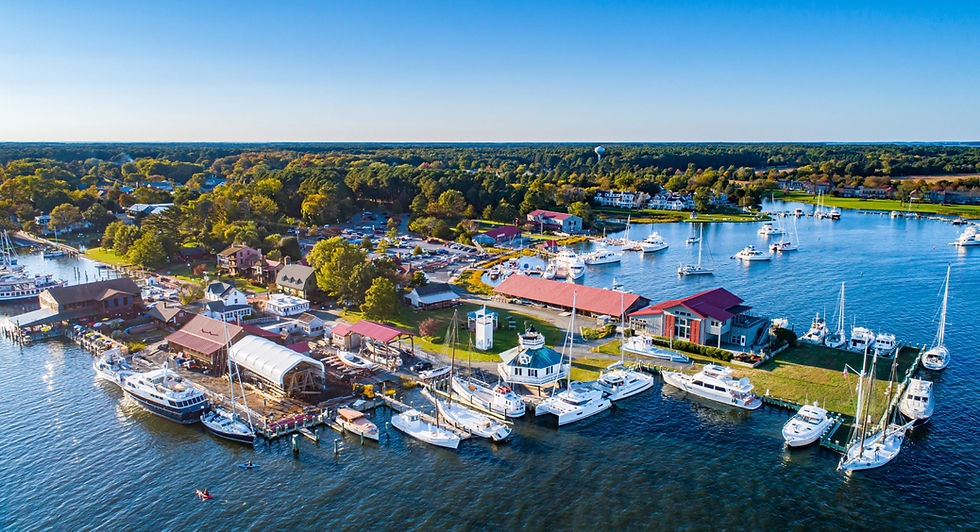
The Chesapeake region offers a wide range of historic home experiences—from Annapolis brick townhomes and waterfront villages on the Eastern Shore, to Southern Maryland’s colonial corridors and Baltimore’s iconic legacy neighborhoods.
The best “fit” comes down to what you want to optimize: walkability, water access, architectural integrity, renovation flexibility, or long-term legacy ownership. We help buyers narrow the shortlist by district rules, renovation feasibility, flood exposure, and lifestyle.

embrace the Lifestyle

Owning a historic home in the Chesapeake isn’t just buying a property—it’s buying a place in a story. Brick sidewalks, porch culture, maritime heritage, and neighborhoods built for walking create a lifestyle that feels different from modern subdivisions.
Historic ownership also rewards intentional stewardship. The best homes aren’t the ones with the most renovation— they’re the ones where the right work was done in the right order: water management first, safety second, systems third, and finishes last.
If you’re drawn to character and legacy, we’ll help you find the right district, the right ruleset, and the right house to bring forward—without losing what made it special in the first place.


.jpg)




.png)

Local Intelligence. Modern Reach.
The Housecats Company is an Annapolis-based Compass real estate team specializing in luxury, waterfront, and lifestyle properties across Maryland and Washington, D.C. Our group brings together local expertise, market interpretation, media strategy, and client guidance across Maryland’s most distinctive communities. Sign-up to receive our newsletters and join the pride.

2077 Somerville Rd
suite 200
Annapolis, MD 21401
